Should You Hire an NPS Consultant or Do It In-House?
Most companies can run a Net Promoter Score programme themselves. The hard part is starting one. Here is what an outside consultant is actually for, what it costs you in executive time rather than fees, and the cases where we tell people to do it in-house.
On this page
Nothing in launching a Net Promoter Score® programme is beyond a capable internal team.
The survey is one question. The tool does the sending. Your own people know your customers better than any consultant ever will.
So the question is not whether you could do it yourself. It is what the learning costs you, and what happens if the first attempt fails.
Do It In-House When the Programme Already Works
If your programme is mostly up and running, you do not need a consultant.
You Are Swapping Tools
Moving from one survey platform to another is a procurement and configuration job. A consultant adds very little. You already know what you want the tool to do, which is the hard part of a tool choice.
You Are Fixing One Problem in the Customer Experience
If the programme is running and you have found a specific CX issue to fix, that work is best done by your staff. They know the process, the people and the history. An outsider would spend the first month learning what your team already knows isn’t working.
Outside help adds value at the start, and at a restart. Not in the middle of a programme that is working.
Every Failed Attempt Makes the Next One Harder
We are often called in after one or more failed attempts, and the second attempt is harder than the first.
The reason is not the process. It is the scepticism.
After a failure, everybody from the CEO down has watched customer feedback take up staff time and deliver nothing. The next person who proposes it is arguing against the company’s own experience. In practice, one failure dramatically reduces the odds of success until the key players have moved on.
That is the real cost of getting it wrong.
Programmes usually do not collapse loudly. They fade at the 12 to 24 month mark. Surveys are still going out, reports are still being generated and “they’re interesting” but nobody is actually doing anything with the data.
That fade has a short list of causes, and they are the same ones every time: see 7 reasons your Net Promoter programme is failing and our 41 Net Promoter best practices.
What a Consultant Brings Is How to Avoid Failure
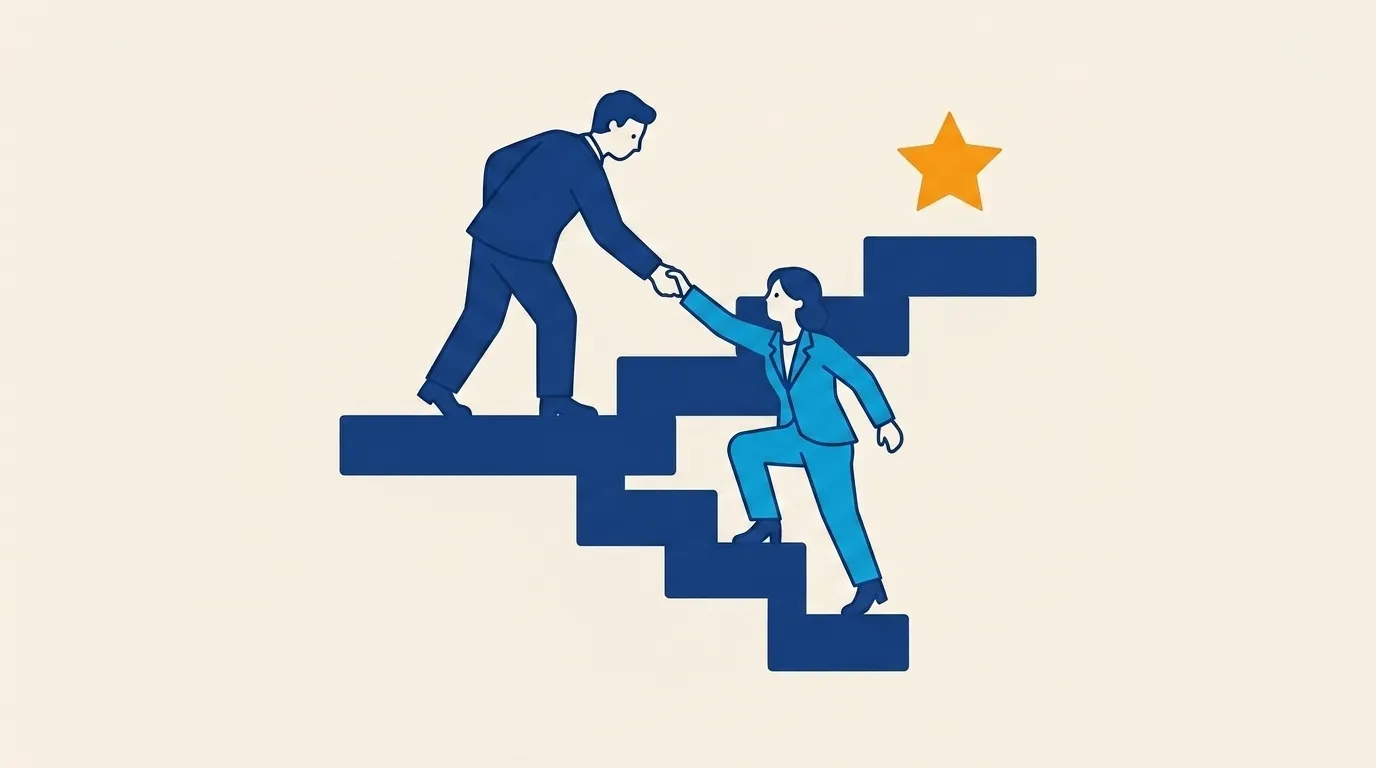
We have run these programmes many times, and the process has been tuned to deal with the things we know cause failure, before they happen.
That is the core service.
Not the survey design, not the dashboard. Knowing where these programmes fail and steering you around it.
You can read a list of best practices. What you cannot read is which one matters in week three of your rollout.
Three Months, Not Two Years of Attempts
Every step has been tested and retested. Most companies can get to success, but that almost always means a few missteps and retries.
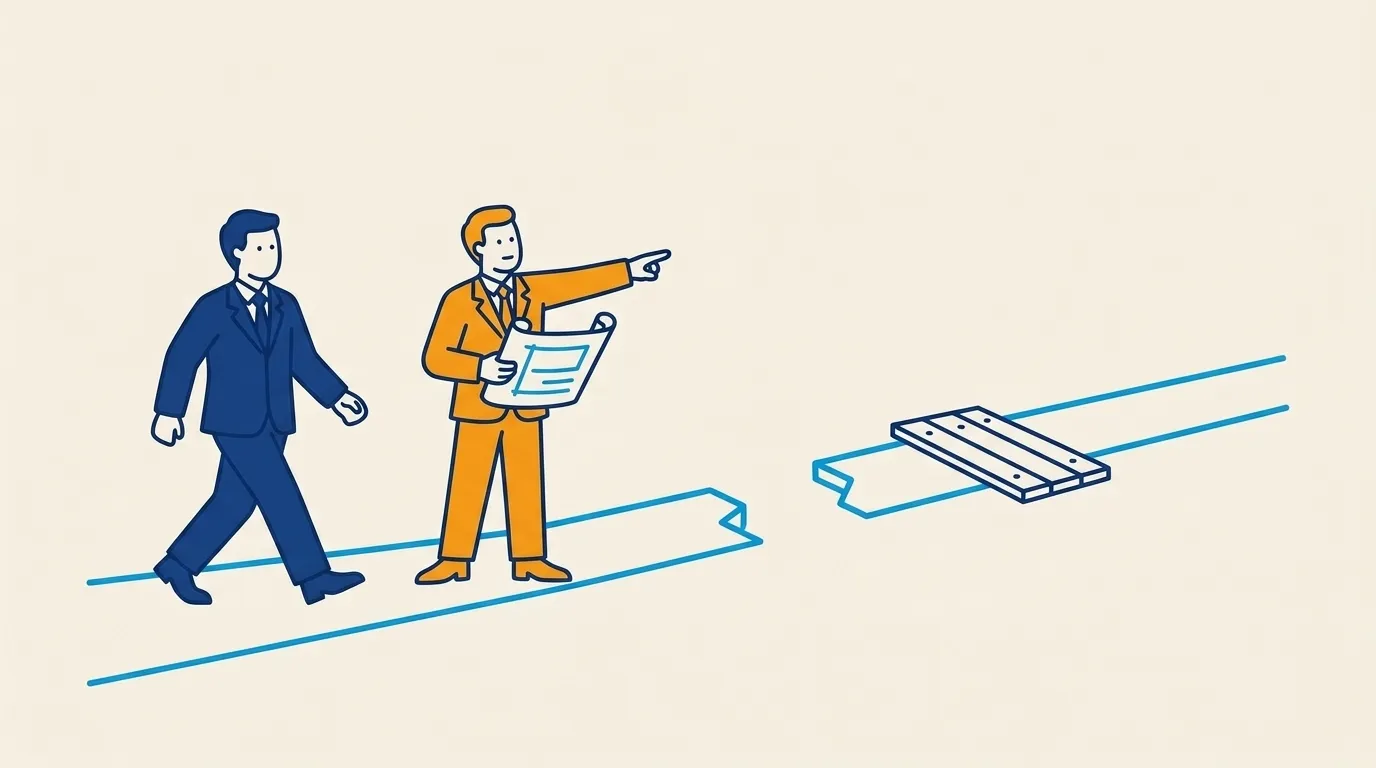
We can do in three months what often takes several attempts and 12 to 24 months to get right.
The delay is only part of the cost.
Add to that staff time spent on the rework and the trust eroded when you ask the business to care about something that did not work last time.
Best Practice Has to Arrive at the Right Moment
Every company’s process is different, because every company is different.
But the principles of NPS success underneath are not.
Take launch communication. It needs change management, and part of change management is branding the programme internally. One company has a culture of polo shirts with the project logo on them. Another does coffee cart chats with the executive team. The implementation is completely different; the principle, that you brand the launch, is the same.
Knowing the principle is not the hard part. Getting it applied at the right point, and steering a workshop so the programme comes out best practice the first time, is.
Turning the CFO Into the Programme’s Biggest Supporter
There are always a few “this will never work” people in the C-suite workshop. One of them is usually the CFO.
The question is some version of: why are we spending money on making customers feel good about us?
It’s a good question, but the premise is completely wrong. A successful NPS programme is not about customers feeling good at all.
It is about making changes in the business that increase revenue and lower costs. Wolters Kluwer Asia Pacific’s CFO went looking for that link and found it in his own numbers.
We have heard that question (and plenty of other curly ones) fifty times, so we can answer it confidently, with examples. In my experience the CFO often converts from the biggest blocker to the person most likely to promote the programme internally.
The same goes for the rest of the hard questions. We can tell you what worked and what did not at a company in a similar position, which gives executives and staff a real precedent instead of a theory.
A Paid Outsider Is Heard Differently From Your Own Manager
This one is uncomfortable, but you know it’s true, and client executive sponsors have told us so many times.
A mid-level employee saying the same thing as a consultant can be dismissed by the executive team: what would they know, they are not an expert. A paid outsider gets a hearing.
We can also be more forthright, diplomatically, in those first senior discussions than an employee might feel comfortable being.
The Cost That Matters Is Your Executives’ Time
Most CEOs already know that the consulting fee is not the significant cost. Neither is the software.
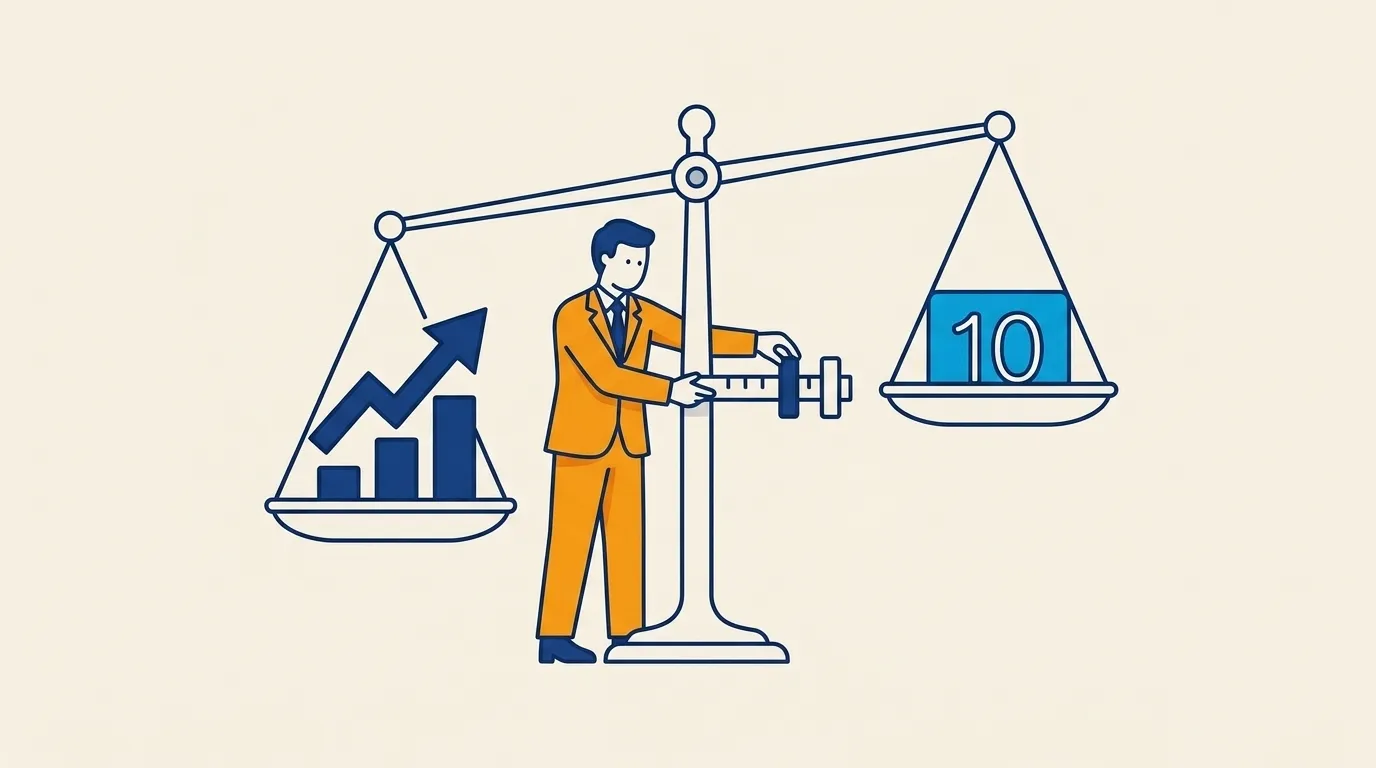
The biggest cost of a Net Promoter Score programme is staff time, attention and risk of failure.
Run a two hour senior leadership workshop and the consulting cost is almost nothing next to the cost of having your executive team in the room. Then add the process team’s meetings, the change communication and the time your managers spend acting on feedback.
Which is the argument for getting it right the first time. A workshop that goes badly does not just waste two hours. It costs you in ways that never show up in a budget line.
What No Consultant Can Give You: Executive Commitment
There is one thing we cannot supply.
The organisation has to want to do this. Without genuine commitment at the top, the process is starved for funds, attention and employee priority.
It may not fail quickly but you can be sure it will fall away after a year or two: the surveys still arrive, nobody acts on them, and they become a waste of everybody’s time.
That is exactly why the C-suite workshop exists, as step 1 of the NPS implementation process. It asks why you are doing this and what you are prepared to invest, before anybody designs a survey. Write the answer down: documenting the why is what you hold people to two years later.
If the answer is that nobody senior really cares, the honest advice is not to start.
It will save you the time and the frustration.
What This Looked Like at CyberCX
CyberCX built a customer experience programme across twelve merged cybersecurity businesses. Genroe was the external consultant facilitating it, working with Tom Allan, the COO, and Anita Chai, the NPS Programme Manager, who ran it day to day.
Four things from that programme are worth copying, and none of them are obvious first time out.
The COO Was the Lead Advocate and Presented It More Than 25 Times
Formally, plus many more informal conversations. Most internal plans budget for one launch email.
The Primary KPI Is Response Rate, Not NPS
No individual has a score target.
That single design decision is why the sales team became one of the programme’s strongest advocates: there was no personal downside to a customer answering honestly.
They Look for What Is Not There
A client who responded, responded, responded, then did not respond is telling you something. Absence of signal is data.
A Detractor Meeting With the COO Is Not a Telling-Off
Staff worked out quickly that being called in over bad feedback meant resources were coming, not blame. That culture was designed, not lucky.
Every one of those is a decision made early that shapes whether the programme survives. They came from having done it before.
If You Do Hire, Choose on the Job You Need Done
Deciding to get help is the easy half. Picking the right kind of firm is the other half, and strategy firms, software vendors and specialist consultancies are not interchangeable.
Our guide to how to choose a Net Promoter Score consultant covers the six questions to ask and the red flags worth walking away from.
We work as a coach, not an execution department. You know your business better than any external person ever will. We know how to roll this process out so that it is still running in three years, and then you own it. That is also our NPS consulting engagement in one sentence.
If you want to work out which parts of the job you actually need help with, book a meeting. If the answer is none of them, we will tell you.